

Testing software
is the work,
not the afterthought
Fynfinitex operates as a centralized quality assurance environment for companies that treat software reliability as a business requirement. We work across industries, time zones, and tech stacks - bringing structured debugging and testing practice to teams that need it to stick.
See our learning programWhere the work started
Fynfinitex began in 2018 with a straightforward observation: most development teams treated testing as something that happened at the end of a project, when the cost of finding problems was already high. The initial work focused on building structured QA processes for mid-sized software companies that had outgrown ad hoc approaches but weren't ready to staff a full internal testing department.
The early client base came from referrals within the NJ tech corridor, but demand from European and Asia-Pacific companies arrived faster than expected. That geographic spread shaped how Fynfinitex built its delivery model - asynchronous by design, with localization support and documentation practices that work across languages and team sizes.

What the practice covers
The core work at Fynfinitex sits at the intersection of manual verification and automated test suite development. Clients typically come in with one of two problems: they have no test coverage at all, or they have tests that nobody trusts. Both situations are recoverable, but they require different starting points.
- Functional and regression testing for web and desktop applications, including presentations software used in training and corporate reporting environments
- Debugging support for software for presentations that surfaces visual rendering errors, data binding failures, and export inconsistencies across platforms
- Test automation framework setup using tools like Selenium, Playwright, and Cypress - matched to the client's existing stack rather than imposed as a default
- QA process documentation and knowledge transfer, so internal teams can maintain coverage after the engagement ends

The people running the work
Fynfinitex runs as a distributed team of QA engineers, automation specialists, and technical educators. The group is small by design - growth has been measured against the ability to maintain quality on every active engagement, not against headcount targets.
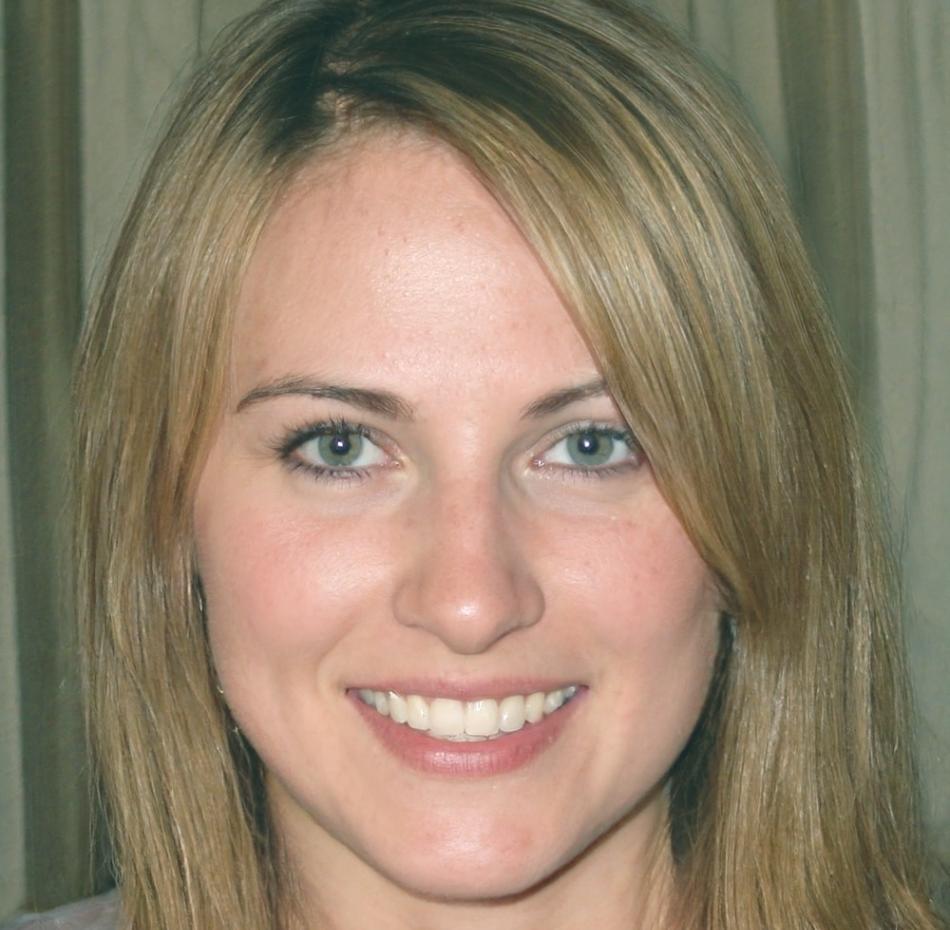
Dorota Kwiecień
Director of Quality Engineering
Rafał builds and maintains the automated testing frameworks that underpin most client engagements. He works primarily in Python and JavaScript environments, and has spent the last four years developing reusable test architecture patterns that reduce setup time on new projects without sacrificing coverage depth.
Yuki focuses on the organizational side of quality assurance - how teams document test cases, how they prioritize bug triage, and how they communicate defect status across engineering and product functions. Her background includes three years of embedded QA work inside a Tokyo-based SaaS company before joining Fynfinitex.
Brendan runs the masterclass and structured learning programs, translating hands-on debugging practice into curriculum that holds up under repeated delivery. He has a particular interest in how engineers learn to read failure logs and form hypotheses before reaching for a fix.
Structured delivery, not one-off fixes
Every engagement at Fynfinitex starts with a scoping phase - not to sell a larger project, but to understand what kind of testing problem actually exists. A team that has no automated tests needs different help than a team whose automated tests pass locally but fail in staging. Treating those as the same situation produces work that doesn't transfer.
The delivery model is built around documentation that clients can use after the engagement ends. Test plans, defect taxonomies, and automation runbooks are written as working artifacts, not reports. The goal is that the client's internal team can pick up where Fynfinitex left off without needing a handover call to decode what was built.
For teams looking to build internal capability, the learning program and masterclass materials extend the same structured approach into a format that engineers can work through at their own pace. The content covers debugging workflows, test case design, and the practical use of presentations software for communicating test results to non-technical stakeholders.



Questions about how Fynfinitex works?
The contact page has the direct details. The learning program page covers what structured QA education looks like in practice.